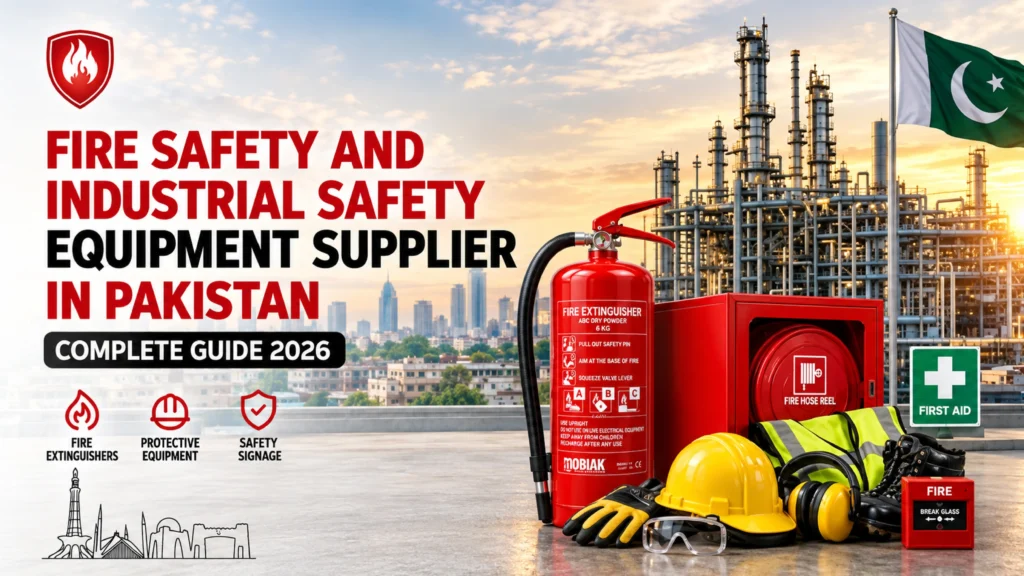
Fire Safety in Pakistan: Why We Keep Losing the Battle (Lessons from 2016 to 2026)

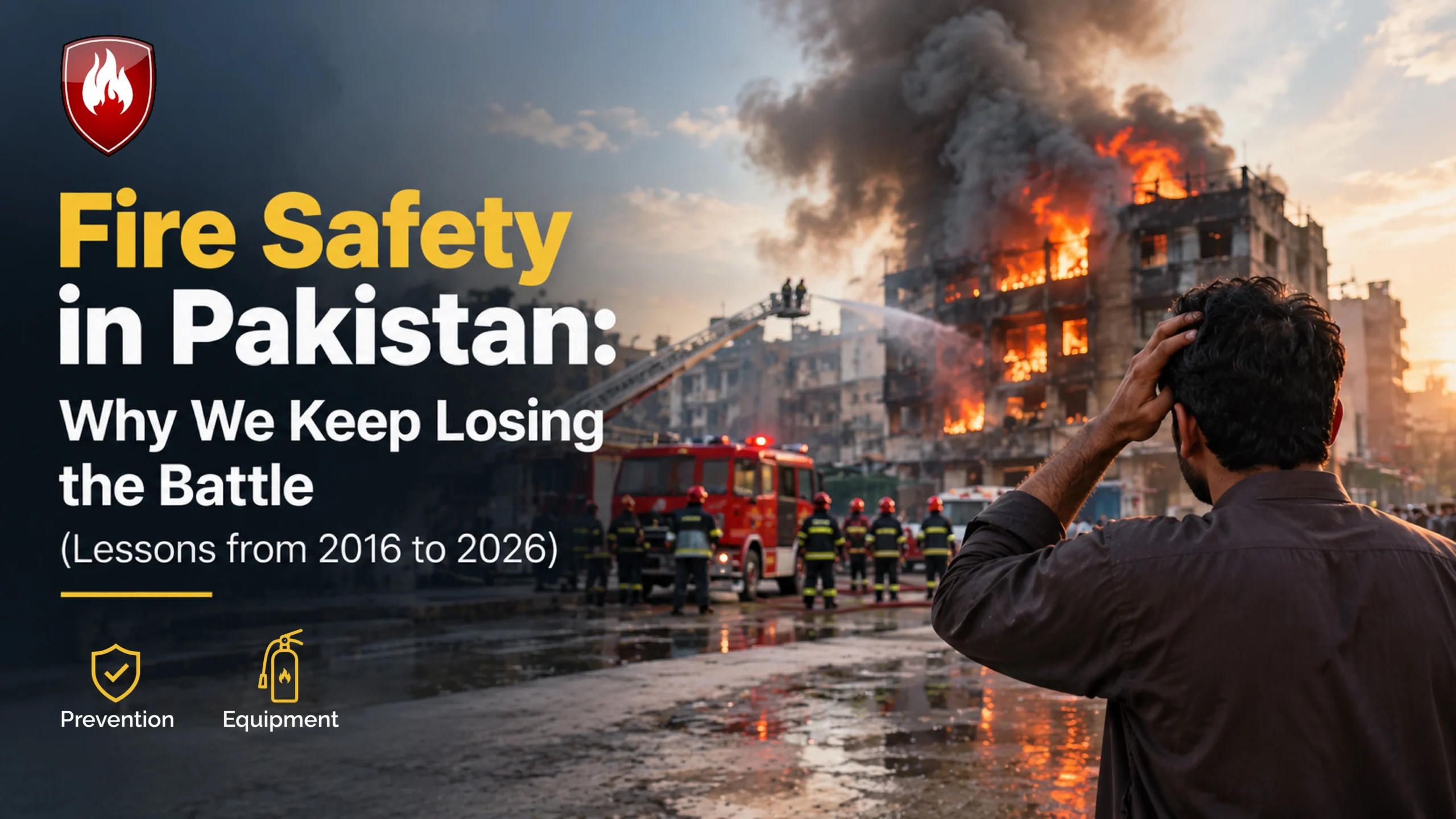
Let me ask you something straight up. Why do we keep watching our markets, factories and buildings burn to the ground? We have the money to buy expensive cars. We have the money to rent premium commercial spaces. But when it comes to fire safety in Pakistan, we act like it does not matter. Then a disaster happens. We cry for a week. We post on social media. And then we move on. Here is the deal. Fire safety is not just a luxury for rich countries. It is a basic need. Yet in 2026, a simple fire extinguisher costs less than a good dinner out. A basic unit starts at Rs 1,500. A heavy-duty one for a factory costs around Rs 11,300. But people still do not buy them. Or worse, they buy them and never learn how to use them. Hacsons has been in the safety business for over 40 years. They have seen these failures up close. This guide is going to break down the major fire incidents from 2016 to 2026. We will look at what went wrong. And we will tell you exactly how to fix it so you do not become the next headline.
The Reality Check: Major Fire Incidents in Pakistan (2016 to 2026)
We can sit here and talk about theories all day. But the truth is written in the ashes of the buildings we have lost. Let’s look at the recent past. The data is brutal.
The Gul Plaza Tragedy (January 2026)
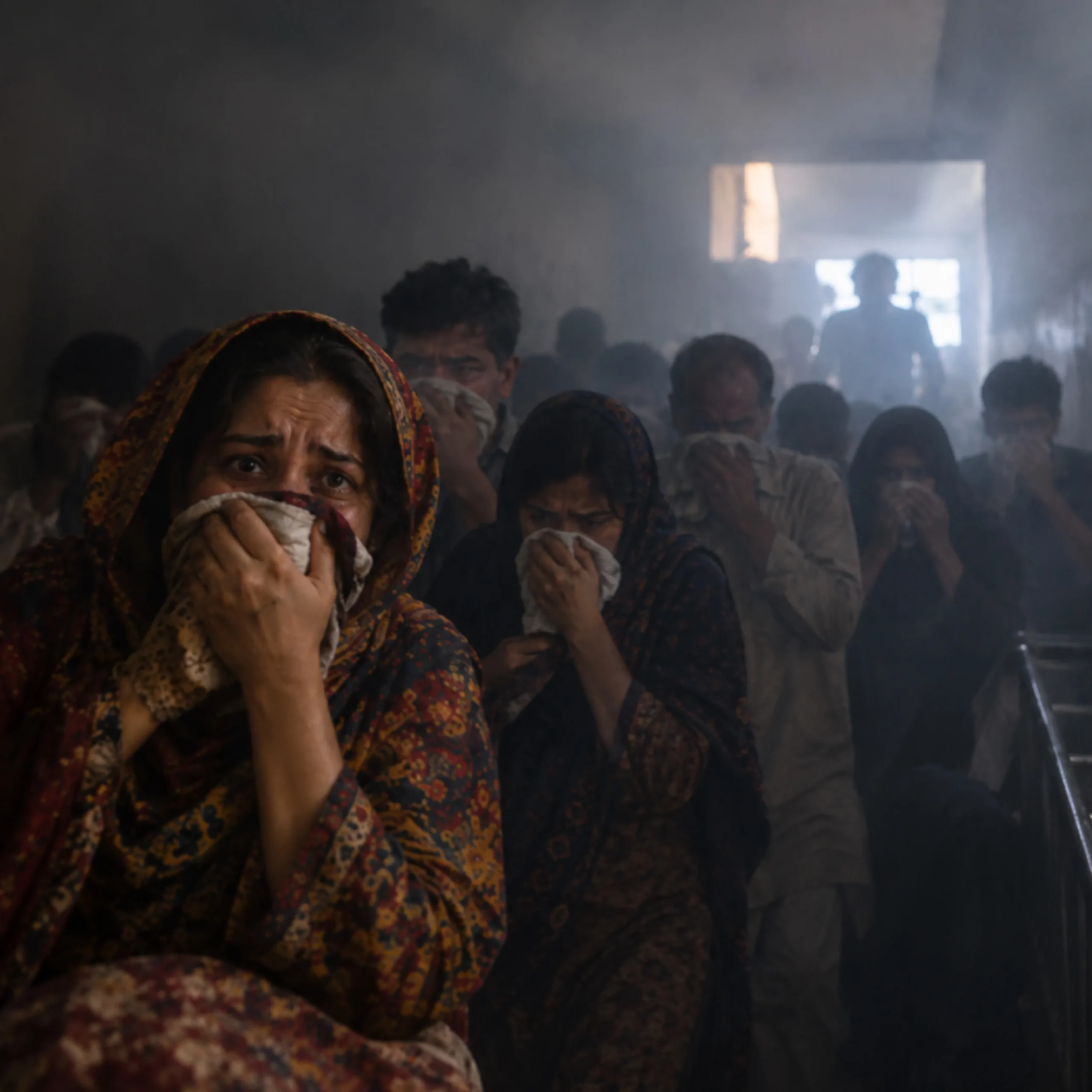
Gul Plaza in Karachi was not just a building. It was a hub for hundreds of families. When the fire broke out, it was a nightmare. Do you know why it got so bad? Because the building had no working fire alarm system. The exits were blocked. There were no fire hoses to fight the flames from inside. People were trapped. The investigation revealed that the management had ignored past safety audits. They had warnings. They just did not care. That is the hard truth. A certified alarm could have woken everyone up in minutes. Instead, people woke up to smoke in their bedrooms.
Karachi Port Container Terminal Fire (January 2026)
Just days later, another disaster hit. The Karachi Port Terminal caught fire. Twenty containers were engulfed in flames. This was not a small house fire. This was an industrial disaster. The containers were packed with chemicals and electronics. When those things burn, they release toxic smoke. The firefighters struggled for hours. Why? Because logistics hubs often lack the heavy-duty equipment needed for chemical fires. They need industrial-grade foam extinguishers and massive water supply systems. If you run a warehouse, you cannot just rely on a few small units.
The Metroville SITE Area Warehouse Fire (October 2026)
Then came the Metroville fire in October 2026. This was a garment factory warehouse. Raw materials, cloth, and packaging. All perfect fuel for a fire. It spread like lightning. By the time the fire brigade arrived, the entire warehouse was gone. Millions of rupees lost. People lost their jobs. And for what? Because the warehouse did not have proper containment systems. There was no early detection. It was a preventable tragedy.
For a wider view of how to use basic safety gear to stop small fires from spreading, read our A Complete Guide to Fire Extinguishers. It covers types, classes and the exact steps to use them safely.
Why Do We Keep Losing the Battle?
So why does this keep happening? It is not bad luck. It is not an act of God. It is a failure of planning and execution. We have three massive problems that we refuse to fix.
The “No Equipment” Problem
Walk into any small market in Pakistan. Count how many shops have a working fire extinguisher. You will be shocked. Most have nothing. Some have a rusty cylinder sitting in a corner from 2010. Government reports show that a massive percentage of commercial buildings lack basic safety equipment. They do not have hydrants. They do not have hoses. They do not even have emergency lights. And the owners think, “It won’t happen to me.” But it does. Every single day. It is like driving a car without brakes. You might be fine for years. But the one time you need to stop, you are done.
The “No Training” Crisis
This is the most frustrating part. Let’s say a shop owner does buy a fire extinguisher. It sits on the wall. The staff knows it is there. But nobody knows how to use it. Think about the panic of a real fire. The smoke is blinding. If you have never held an extinguisher before, you will freeze. You will forget to pull the safety pin. You will point it at the flames instead of the base. You will fail. Equipment is only as good as the person using it. Hacsons always tells their clients, buying the gear is step one. Training your team is step two. If you skip step two, step one is useless.
The “Ignored Rules” Reality
Believe it or not, we have rules in Pakistan. We have building codes. We have safety audits. But we ignore them. The Gul Plaza management was warned in 2024. They were warned again in 2025. The auditors told them to fix their alarms. But the management did not listen. Why? Because fixing those things costs money. And they thought they could get away with it. This culture of negligence is killing us. We need to treat safety regulations as a lifeline. The first step to fixing this is buying genuine gear. You can check the Safety 53 brand page to see what real certified equipment looks like.
The 2026 Wake-Up Call: New Fire Safety Regulations
After the Gul Plaza disaster, the Sindh Building Control Authority had to act. They introduced new amendments. The rules are stricter now. If you run a business in a major city, you need to know this. It is not just about avoiding a fine anymore. It is about staying open.
Under the new 2026 rules, there are strict requirements for commercial spaces. They require mandatory NOCs from Civil Defence. You must have a specific number of fire extinguishers based on the square footage of your shop. Malls need centralized fire alarm systems. Industrial units need heavy-duty hydrants. If you are a business owner, navigating these new laws can be confusing. We have a detailed guide on Fire Safety and Industrial Safety Equipment Suppliers in Pakistan that breaks down the compliance requirements.
How to Prevent the Next Disaster (The 4 Pillars)
So what is the solution? You cannot just buy one extinguisher and pray for the best. You need a system. You need four pillars of fire safety. If one pillar is missing, the whole roof falls down.
1. Detection
You need to know the fire is there before it starts roaring. A proper alarm system with smoke detectors is your first line of defense. It gives you those precious extra seconds to evacuate. For large spaces, you need automated panels that pinpoint exactly where the fire is. Check the fire alarm system category on Hacsons to see the options.
2. Suppression
This is where you fight back. For small fires, you need fire extinguishers. For bigger spaces, you need hydrants and hoses. It depends on your risk. A restaurant needs a wet chemical extinguisher for oil fires. A factory needs heavy-duty DCP or CO2 units. Do not just buy anything. Match the tool to the hazard. You can browse the fire extinguishers collection to find what fits your space.
3. Evacuation
When the power goes out, the panic starts. If the smoke is thick, you cannot see. Emergency lights guide people to the exits. Sirens tell everyone to run. Without these, you get stampedes. They must be tested monthly. A dead battery is a death sentence. We stock reliable options in our emergency light and siren category.
4. Personal Protection
Not everyone is running away. Some people need to go in. Firefighters. Factory workers. They need fire PPE. Heat-resistant clothing. Gloves. Helmets. We supply certified gear from global brands. Do not send your maintenance team into danger unprotected.
A Practical Checklist for Homes, Shops and Factories
You might be wondering, “What do I actually need to buy right now?” Here is a quick list. Keep it simple.
For Homes: Buy at least one 2kg DCP extinguisher. If you have a big kitchen, get a wet chemical unit for oil fires. Check your wiring.
For Small Shops: Buy a 4kg or 6kg DCP extinguisher. Install a smoke alarm. Get one emergency light for the exit. Train your staff on the PASS method.
For Factories: You need industrial-grade equipment. Install an alarm system. Set up hydrants. Buy trolley-mounted extinguishers. You need a full fire safety audit. If you need heavy-duty units, you can check our blog on Fire Extinguisher Price in Pakistan to budget your purchases.
Why Buy From Hacsons?
Look, you can buy cheap, uncertified gear from the local market. But it might fail when you need it most. Hacsons has been supplying safety equipment for over 40 years. They are an Authorised Distributor for top global brands. Every single product they sell is certified. No fakes. No grey market imports. They serve clients in Karachi, Lahore, Islamabad, and Rawalpindi. And they deliver across Pakistan. Whether you need one unit for your home or a full system for a factory, Hacsons will help you choose the right equipment.
Conclusion
We cannot keep losing this battle. The fires in 2026 showed us exactly where we are failing. We lack equipment. We lack training. We ignore the rules. But we can change that. Start by taking fire safety in Pakistan seriously. If you own a home, buy an extinguisher. If you own a shop, install an alarm. If you run a factory, get a professional audit. Do not wait for a fire to find out if your equipment works. The time to prepare is now.
Frequently Asked Questions
The biggest causes are electrical short circuits, gas leaks and careless handling of flammable materials. However, the real reason these small sparks turn into massive disasters is the lack of early detection and firefighting equipment.
Under the new 2026 SBCA amendments, the requirement depends on the size of the shop. Generally, every shop must have at least one. For larger stores, the rule is one extinguisher for every 400 square feet. You also need an NOC from Civil Defence.
A basic 1kg DCP extinguisher starts around Rs 1,500. A 2kg unit costs Rs 2,400 to Rs 6,500. For industrial use, a 6kg unit costs between Rs 5,500 and Rs 11,300. Hacsons offers competitive pricing on all certified models.
PASS stands for Pull, Aim, Squeeze, Sweep. Pull the pin. Aim at the base of the fire. Squeeze the handle. Sweep side to side. It is a simple method that anyone can learn. Training your staff on this is critical.
Yes. Hacsons is an authorized distributor for major brands including Safety 53, Mobiak, Bavaria, and Dupont. Every product comes directly from official channels with a full manufacturer warranty.
Absolutely. Hacsons supplies equipment for businesses of all sizes. For small shops, they offer affordable DCP fire extinguishers, basic smoke alarms and emergency lights. They also provide bulk pricing for market associations.
Yes. Hacsons delivers nationwide. They ship to major hubs like Karachi, Lahore, and Islamabad, as well as smaller cities and remote industrial sites. For bulk orders, their team coordinates directly with the site contact.