

Fire Hydrant
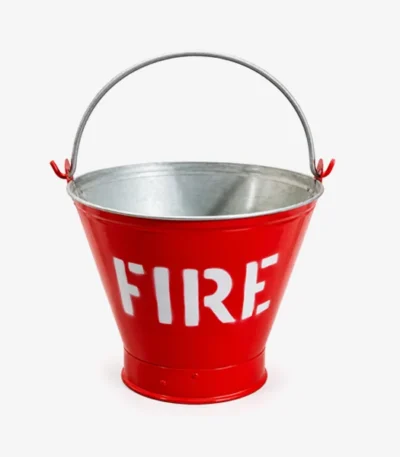
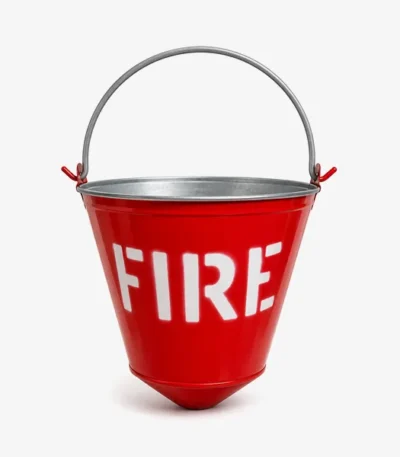


A fire hydrant is the fixed water outlet that firefighters and trained staff connect their hoses to when a building's own extinguishers and hose reels aren't enough to knock down a fire. It supplies water at high pressure, straight from the mains or a dedicated tank and stays ready around the clock. Hacsons supplies hydrant landing valves, hose couplings, breeching inlets and complete hydrant accessories across Pakistan, with prices starting at ₨20,000 for a 30 metre hydrant hose and going up to ₨29,000 for a hydrant landing valve. Every component we stock is built for Pakistani firefighting conditions, not just warehouse storage.
What's Included in Our Fire Hydrant Range
You'll find hydrant landing valves with durable gunmetal bodies and precision threads that accept standard fire hoses. Brass and aluminium hose couplings in 1.5 inch, 2 inch and 2.5 inch sizes. Siamese breeching inlets that let fire trucks pump water into a building's standpipe system. Hydrant heads with local landing valves rated for 150 PSI working pressure. And 30 metre hydrant hoses with PVC jackets and 8 bar working pressure for immediate use. Most commercial buyers pair these components with our Hoses, Reels & Cabinets and Fire Extinguisher units when building a complete first response setup. For facilities that need evacuation alerts to go with their hydrant system, our Emergency Light & Siren range covers the audible and visual warning side of the same emergency plan.
How to Choose the Right Fire Hydrant Equipment
Buying hydrant components that don't match your system wastes money and creates a real safety gap. Here's what actually matters when you're specifying for a building.
Wet barrel or dry barrel? This is the first decision. A wet barrel hydrant keeps water in the barrel at all times and uses valves at each outlet. It's the right choice for warm climates where freezing isn't a concern and it's easier to maintain because there's no main valve buried underground. A dry barrel hydrant keeps the barrel empty until you open the main valve, which sits below the frost line. In most of Pakistan, wet barrel hydrants are standard for commercial and industrial installations. Dry barrel models make more sense in northern areas where winter temperatures drop below freezing. The NAFFCO 4 inch flanged wet barrel hydrant and Bristol 4 inch wet barrel models are what most Pakistani industrial buyers go for, both rated for 16 bar working pressure.
Match the landing valve to your hose size. Hydrant landing valves come in 2.5 inch and 2 inch sizes, with 2.5 inch being the default for commercial buildings. The valve body material matters: gunmetal and bronze resist corrosion and hold up better than cast iron in Pakistan's humidity. Check the inlet connection type too. Flanged inlets bolt directly onto the pipe, while threaded inlets screw on. Neither is better, but they're not interchangeable, so confirm what your existing pipework uses before ordering. The Hydrant Landing Valve we stock uses a precision built gunmetal body and accepts standard fire hose connections without adapters.
Understand the pressure rating before you buy. Hydrant systems in Pakistan typically run between 10 and 16 bar working pressure. The components you install must be rated for at least that much. A valve rated for 10 bar on a 16 bar system is a failure waiting to happen. The NAFFCO and Bristol hydrants we stock carry 16 bar ratings. The landing valves are pressure tested to match. If your building's fire pump pushes higher pressures, you need components rated accordingly. Check the system design pressure before you order anything.
Couplings and adapters are where systems fail. A fire hose is only as good as the coupling that connects it to the hydrant. Brass couplings resist corrosion and hold their threads longer than aluminium. Aluminium couplings are lighter and cheaper but wear faster if they're dropped or dragged. The thread standard matters too: British Standard Pipe (BSP) is the norm in Pakistan, but some imported equipment uses NH/NST or Storz connections. Mixing standards without adapters means your hoses won't fit your hydrants. Our couplings come in BSP sizes from 1.5 inch to 2.5 inch with both male and female options.
Our quality checklist before dispatch. Every hydrant component that leaves our warehouse goes through a check that most suppliers skip. The valve body shows no cracks, porosity, or casting defects. The handwheel turns smoothly through its full range and doesn't bind. The valve seat seals properly when closed, with no drips under pressure. The inlet and outlet threads are clean and undamaged. The coupling gaskets are in place and free from cracks or hardening. The hose jacket shows no blisters, cuts, or weak spots. The hose liner is smooth and hasn't separated from the jacket. The pressure rating is stamped clearly and matches the product specification. The certification label, where applicable, is legible and traceable. And the product is packaged with the correct gaskets and hardware, not missing parts that leave you hunting for a spare O ring. These checks take two minutes per component. Skipping them is how buildings end up with a hydrant that leaks at the valve or a hose that bursts under pressure when it matters most.
Plan for installation and testing. A hydrant system isn't a DIY job. The pipework needs proper slope for drainage, thrust blocks at direction changes and isolation valves that let you service one section without shutting down the whole system. After installation, the system needs a hydrostatic test at 1.5 times the working pressure for at least two hours. The Building Code of Pakistan and NFPA standards both require this. If your contractor skips the pressure test, you've got no proof the system will hold when it's actually needed. Keep the test certificate. Inspectors ask for it.
Maintenance is not optional. A hydrant that won't open when a fire starts is worse than no hydrant at all, because people rely on it. Check the valve operation quarterly by opening and closing it fully. Inspect the hose for cracks and the coupling gaskets for hardening. Lubricate the valve stem annually. Flush the system to clear sediment. Replace any hose that shows signs of dry rot or blistering. The system should be flow tested annually to confirm it still delivers the rated pressure and volume. Most Pakistani fire safety companies offer annual maintenance contracts that cover all of this, which is worth the cost if you manage multiple buildings or a large facility.
Why Buy Fire Hydrant Equipment from Hacsons
We stock hydrant components that are built to work together, not assembled from mismatched parts that look right but fail under pressure. Our landing valves use gunmetal bodies that resist corrosion far longer than cast iron alternatives. Our hose couplings and breeching inlets are manufactured to BSP thread standards, so they fit the pipework and hoses you already have. We carry components from trusted names like NAFFCO and Bristol alongside our own hydrant landing valve, giving you options at different price points without sacrificing the pressure rating that actually matters. Orders go nationwide and if you're not sure which valve size or coupling type fits your existing system, ask us. Five minutes on the phone is cheaper than buying the wrong part twice.
Frequently Asked Questions
What is the price of fire hydrant equipment in Pakistan?
Fire hydrant equipment at Hacsons starts at ₨20,000 for a 30 metre hydrant hose with 1 inch diameter and 8 bar working pressure and goes up to ₨29,000 for a hydrant landing valve with a gunmetal body. Brass and aluminium hose couplings in 1.5 inch to 2.5 inch sizes sit between ₨2,500 and ₨8,500 depending on material and thread type. Breeching inlets and hydrant heads with local landing valves start around ₨36,000.
What is the difference between a wet barrel and dry barrel fire hydrant?
A wet barrel hydrant keeps water in the barrel at all times and uses valves at each outlet to control flow. It's the standard for warm climates where freezing isn't a concern and it's easier to maintain because the main valve is above ground. A dry barrel hydrant keeps the barrel empty until you open the main valve, which sits below the frost line to prevent freezing. In most of Pakistan, wet barrel hydrants are the default for commercial and industrial installations.
What standards should fire hydrant components meet in Pakistan?
Fire hydrant systems in Pakistan should follow BS 5041 for landing valves, which covers nominal pressure ratings of 15 bar and 20 bar with inlet sizes from DN 40 to DN 65. AWWA C502 and C503 cover dry barrel and wet barrel hydrants respectively. The Building Code of Pakistan requires a hydrostatic test at 1.5 times working pressure for at least two hours after installation. Components carrying UL, FM, or LPCB certifications have passed independent testing and meet international benchmarks that Pakistani inspectors recognise.
How often should fire hydrant systems be inspected and tested?
Check valve operation quarterly by opening and closing it fully. Inspect hoses and coupling gaskets every six months for cracks or hardening. Lubricate the valve stem annually. Flush the system once a year to clear sediment. Flow test the system annually to confirm it still delivers the rated pressure and volume. Replace any hose that shows dry rot or blistering immediately. Keep a log of every test and maintenance action because inspectors ask for it and it's the only way to prove your system works.
Does Hacsons deliver fire hydrant equipment across Pakistan?
Yes, Hacsons delivers hydrant landing valves, hose couplings, breeching inlets, hydrant hoses and complete hydrant accessories to factories, warehouses, commercial buildings, hospitals and industrial facilities nationwide. Orders reach Karachi, Lahore, Islamabad and smaller cities with reliable shipping. Our team can also advise on component sizing, thread standards and pressure ratings if you're upgrading an existing hydrant system or installing a new one.